
Knee pain does not always mean you need surgery. Understanding the severity of arthritis, joint damage, symptoms, and available treatment options can help you make the right decision. Get expert evaluation for knee pain, arthritis, and joint replacement from Buvana Ortho Clinic, Nungambakkam, Chennai.
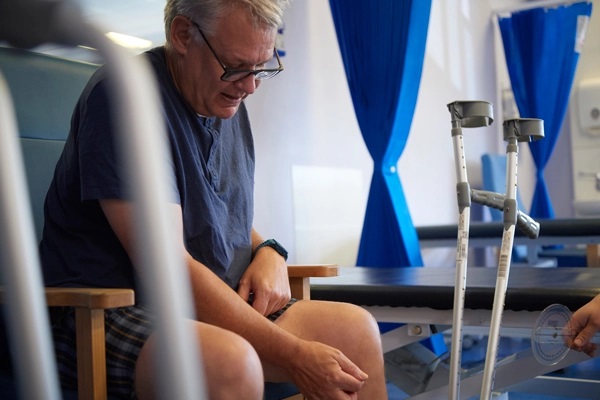
Knee pain is one of the most common orthopedic problems affecting adults and senior citizens. Many people experiencing long-term knee pain often wonder, "Do I really need knee replacement surgery?" The answer depends on several factors including the severity of joint damage, the level of pain, limitation of movement, response to other treatments, and the effect on your daily quality of life.
Knee replacement surgery is not the first treatment option for every person with knee pain. Many patients improve with physiotherapy, medications, lifestyle changes, injections, weight management, and other joint-preserving treatments. However, when advanced arthritis or severe joint damage causes continuous pain and affects independence, knee replacement surgery may provide significant long-term improvement.
Patients searching for "knee replacement Chennai", "knee arthritis treatment Chennai", or "knee pain specialist Chennai" are usually looking for answers about whether their symptoms require surgery or whether there are other ways to manage their condition.
At Buvana Ortho Clinic, Nungambakkam, Chennai, every patient undergoes a detailed orthopedic evaluation before surgery is considered. Treatment decisions are based on symptoms, physical examination, imaging reports, lifestyle requirements, and long-term health goals.
The knee is one of the largest and strongest joints in the human body. It connects the thigh bone (femur) with the shin bone (tibia) and allows important movements such as walking, running, climbing stairs, sitting, and standing.
The smooth movement of the knee depends on healthy cartilage covering the ends of the bones. This cartilage acts as a cushion and allows the joint surfaces to move without friction. Ligaments, tendons, muscles, and the meniscus provide stability and support.
Over time, injury, ageing, excessive stress, or medical conditions can damage these structures. When cartilage wears away, the bones may rub against each other, causing pain, swelling, stiffness, and reduced movement.
Knee pain can develop due to many reasons. Some problems are temporary and improve with proper treatment, while others may progress and cause significant joint damage.
Not every knee pain requires replacement surgery. However, certain symptoms suggest that the knee joint may have significant damage and needs expert assessment.
These symptoms do not automatically mean knee replacement surgery is required. However, they indicate that an orthopedic evaluation can help identify the correct treatment approach.
Many patients believe that an abnormal X-ray automatically means they need knee replacement surgery. However, orthopedic surgeons consider the complete clinical picture before making this decision.
The evaluation usually includes:
Some patients may have significant arthritis changes on imaging but manageable symptoms, while others may experience severe pain with moderate changes. The treatment decision is always personalized.
Knee replacement surgery is considered only after careful evaluation. Many patients with knee pain can improve through non-surgical treatments depending on the severity and cause of the problem.
The main goal of conservative treatment is to reduce pain, improve knee function, maintain mobility, and delay progression of joint damage whenever possible.
The correct treatment depends on the patient's diagnosis, age, activity level, and severity of knee damage.
Knee replacement surgery is usually considered when severe arthritis or joint damage causes continuous pain and significantly affects a person's independence and quality of life.
An orthopedic surgeon may recommend knee replacement when:
The purpose of knee replacement is not only to replace a damaged joint but also to reduce pain, improve mobility, and help patients return to a more active lifestyle.
Knee replacement surgery is not identical for every patient. The type of procedure depends on the amount and location of damage inside the knee joint.
Total knee replacement is the most common type of knee replacement procedure. It is generally performed when arthritis affects multiple areas of the knee joint and causes severe pain and restricted movement.
During the procedure, damaged joint surfaces are replaced with artificial components designed to restore smoother movement and improve knee function.
Partial knee replacement may be suitable for selected patients where damage is limited to one specific compartment of the knee while the remaining areas are healthy.
This procedure preserves more of the natural knee structure and may be considered when the condition meets specific requirements.
Revision knee replacement is performed when a previous knee replacement requires correction or replacement due to problems such as implant wear, loosening, infection, or other complications.
For patients with advanced knee arthritis, successful knee replacement surgery can provide significant improvement in pain levels and daily function.
The success of knee replacement depends on several factors including surgical technique, patient health, rehabilitation, and following post-operative instructions.
Proper preparation before knee replacement surgery helps improve recovery and overall outcomes. Your orthopedic team will guide you through the required medical evaluations and pre-operative planning.
Patients who understand the procedure and actively participate in preparation often have a more comfortable recovery experience.
Knee replacement surgery is a carefully planned procedure performed to remove damaged areas of the knee joint and replace them with artificial components. The main aim of the surgery is to reduce pain, improve movement, and restore the ability to perform daily activities.
Before surgery, the orthopedic surgeon evaluates the patient's knee condition, medical history, activity requirements, and imaging reports to plan the most appropriate approach.
During the procedure, the damaged cartilage and affected bone surfaces are carefully removed. The joint surfaces are then replaced with specially designed implants that allow smoother movement between the bones.
After the replacement, the knee is carefully assessed to ensure proper alignment, stability, and movement. A rehabilitation plan is then started to help the patient regain strength and function.
Recovery after knee replacement surgery is a gradual process. Modern techniques allow many patients to begin movement soon after surgery, but complete recovery requires commitment, exercise, and regular follow-up.
Physiotherapy plays a major role after knee replacement. It helps improve knee movement, strengthen surrounding muscles, reduce stiffness, and restore confidence while walking.
Every patient's recovery journey is different. Factors such as age, overall health, muscle strength, type of surgery, and commitment to physiotherapy can influence recovery.
Many patients gradually return to routine activities as their strength and confidence improve. Consistent rehabilitation and following medical advice are important for achieving the best possible outcome.
Patients should avoid comparing their recovery with others because healing progresses at a different pace for each individual.
Modern knee replacement implants are designed to provide long-lasting improvement when combined with proper surgical technique, rehabilitation, and healthy lifestyle habits.
The lifespan of a knee replacement can depend on several factors including activity level, body weight, implant type, bone quality, and overall joint care.
Regular follow-up with an orthopedic specialist helps monitor knee function and address any concerns early.
Like any major surgical procedure, knee replacement has potential risks. However, careful patient selection, advanced surgical methods, and proper aftercare help reduce complications.
Possible considerations include:
A detailed discussion with your orthopedic surgeon helps you understand the benefits, expectations, and possible concerns before making a treatment decision.
Choosing an experienced orthopedic specialist is an important step when considering knee replacement surgery. A proper consultation helps determine whether surgery is truly needed or whether other treatments may provide relief.
Patients searching for a "knee replacement specialist Chennai" or "orthopedic surgeon for knee pain Chennai" should look for expertise in diagnosis, joint preservation, replacement procedures, and rehabilitation guidance.
At Buvana Ortho Clinic, Nungambakkam, Chennai, patients receive comprehensive care for knee pain, arthritis, sports injuries, ligament problems, and joint replacement needs.
The clinic focuses on personalized treatment plans designed according to each patient's condition, lifestyle, and recovery goals.
Knee pain can affect mobility, independence, and quality of life. Early evaluation helps identify the cause of pain and provides an opportunity to explore suitable treatment options before the condition becomes severe.
Buvana Ortho Clinic, Nungambakkam, Chennai provides orthopedic consultation and treatment for:
Not everyone with knee pain needs knee replacement surgery. The decision depends on the severity of arthritis, level of pain, difficulty performing daily activities, and whether other treatments have provided sufficient relief. An orthopedic specialist can help determine the most appropriate treatment option after a detailed evaluation.
No. Depending on the condition, some patients may benefit from physiotherapy, medications, lifestyle changes, injections, or other joint-preserving treatments. Knee replacement is usually considered when pain and joint damage significantly affect quality of life.
Common signs include persistent knee pain, difficulty walking, inability to climb stairs, loss of knee movement, pain affecting sleep, and reduced independence despite appropriate non-surgical treatment.
Early and moderate knee arthritis can often be managed with physiotherapy, strengthening exercises, weight management, medication, activity modification, and other treatments. However, advanced arthritis with severe joint damage may require replacement surgery.
There is no single ideal age for knee replacement. The decision is based on pain severity, joint damage, functional limitation, overall health, and lifestyle requirements rather than age alone.
Knee replacement surgery has helped many patients reduce pain and improve mobility. Success depends on proper patient selection, surgical technique, rehabilitation, and following post-operative care instructions.
Many patients begin assisted movement and walking soon after surgery under medical guidance. The exact timeline depends on individual recovery, health condition, and rehabilitation progress.
Most patients can gradually return to climbing stairs after recovery and rehabilitation. Strengthening exercises and physiotherapy help improve balance, confidence, and knee function.
An experienced orthopedic surgeon specializing in knee conditions and joint replacement can evaluate your condition and guide you through the available treatment options.
The question "Do I really need knee replacement surgery?" does not have the same answer for every person. Knee replacement is a major decision that should be based on careful evaluation of your symptoms, joint condition, lifestyle needs, and response to other treatments.
Many patients with knee pain improve with non-surgical treatments, while others with advanced arthritis experience significant improvement after knee replacement surgery. Understanding your condition is the first step toward making the right healthcare decision.
If knee pain is affecting your walking, sleep, work, or daily activities, an orthopedic consultation can help identify the cause and discuss the most suitable treatment options.
Buvana Ortho Clinic, Nungambakkam, Chennai provides expert orthopedic care for knee pain, arthritis, sports injuries, and joint replacement evaluation with a focus on personalized treatment and improved mobility.
 Buvana Ortho Clinic