1. Why choose Buvana Ortho Clinic in Nungambakkam for orthopedic treatment?
20+ years experienced orthopaedician
Provide Optimum, affordable, appropriate non-surgical and surgical
treatments
2. How do I book an appointment at Buvana Ortho Clinic?
To schedule a consultation, call or WhatsApp 96553 99099. For urgent medical guidance,
you may contact the doctor at 94443 66033. You can also reach us by email -
karthisundarv@gmail.com for
appointment-related enquiries.
3. Do I need to book an appointment before visiting?
Yes.
4. Do you provide second opinions for orthopedic surgery?
Yes. We offer detailed second-opinion consultations for knee replacement, hip replacement, shoulder
surgery, sports injuries, and other orthopedic conditions.
5. What are the requirement for an effective consultation?
Please bring your previous medical records, X-rays, MRI or CT scans, laboratory reports, current
medications, and referral notes, if available.
6. Should I bring an attendant for my consultation?
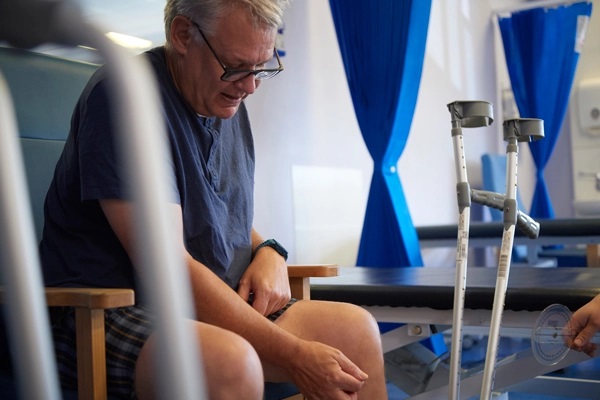
We recommend bringing a family member or attendant, especially for elderly patients or those with
difficulty walking. Female patients are examined with privacy and supported by a female staff member
whenever required.
7. What non-surgical treatments do you provide for joint pain?
According to cause & severity of the pain,
Taping of joints
Braces
Kenacort injection
PRP administration
Hyaluromic acid visco supplementation
Stem cell (BMAC) therapy
Footwear correction
Posture correction
8. Can sports injuries be treated without surgery?
Yes. Many sports injuries improve with physiotherapy, medication, rehabilitation exercises, braces, and
activity modification. Surgery is advised only when necessary.
9. Do you specialize in knee, shoulder, and hip disorders?
Yes. Our clinic specializes in the diagnosis, treatment, rehabilitation, and surgical management of
knee, shoulder, and hip disorders for patients of all age groups.
10. Which orthopedic conditions do you treat?
We diagnose and treat arthritis, knee pain, shoulder pain, hip pain, ligament injuries, sports injuries,
rotator cuff tears, frozen shoulder, meniscus injuries, ACL tears, tendon disorders, post menopausal
osteoporosis, and back pain in pregnancy
other bone and joint conditions.
11. When should I consult an orthopedic specialist?
Pain, swelling, warmth or redness of bone and joints or any part of the limbs or spine.
Weakness in the limbs
sense of giving away of the knee, shoulder and ankle.
12. What are the common causes of knee pain?
Knee pain may be caused by arthritis, ligament injuries, meniscus tears, cartilage damage, tendon
inflammation, sports injuries, or age-related wear and tear.
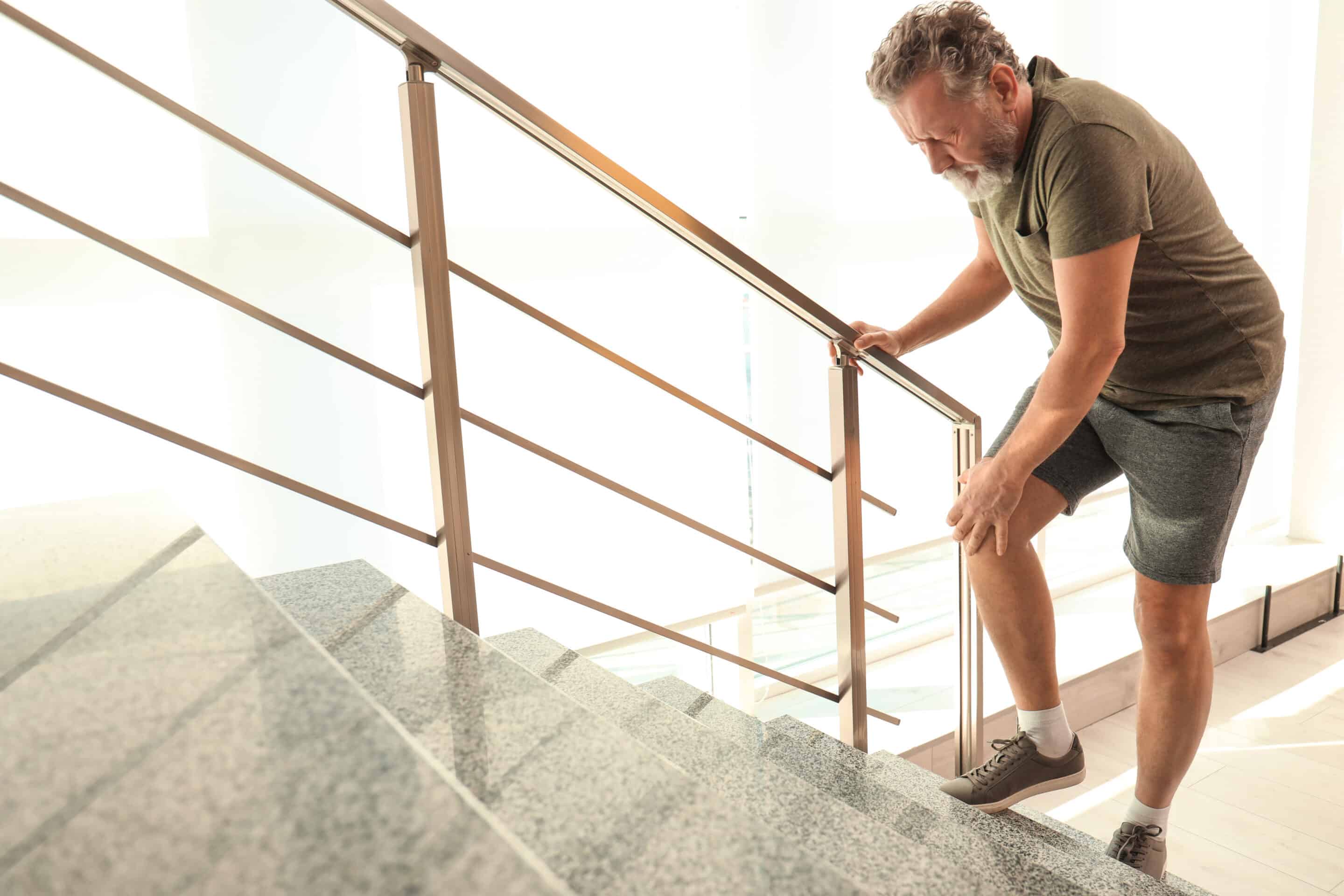
13. Why does my knee hurt while climbing stairs?
Pain while climbing stairs may indicate arthritis, patellofemoral pain syndrome, cartilage damage, or
weakness of the supporting muscles around the knee.
14. What are the early signs of knee arthritis?
Pain in the first few steps of walking after immediately getting up from sitting position, knee joint
swelling, knee stiffness, pain on standing, walking & stair climbing.
15. Can knee pain be treated without surgery?
Yes. Non surgical modalities like rest, ice packs, limb elevation, appropriate footwear, improving work/
home ergonomics, muscle strengthening exercises & Body weight management (BMI Index)
16. When is knee replacement surgery recommended?
Knee replacement surgery is considered when severe arthritis or joint damage causes persistent pain and
reduced mobility despite appropriate non-surgical treatment.
17. What is robotic knee replacement surgery?
Robotic-assisted knee replacement uses advanced computer-guided technology to improve implant
positioning and surgical precision while preserving healthy bone whenever possible.
18. How long does recovery take after knee replacement surgery?
Most patients begin walking within 24 hours, resume routine activities within 4 to 6 weeks, and continue
improving with physiotherapy over the following months.
19. What is ACL reconstruction surgery?
ACL reconstruction is an arthroscopic procedure that replaces a torn anterior cruciate ligament to
restore knee stability and function.
20. Can an ACL tear heal without surgery?
Partial tears may improve with rehabilitation. Complete tears often require surgery if the knee remains
unstable during daily activities or sports.
21. What shoulder conditions do you treat?
We treat frozen shoulder, rotator cuff tears, shoulder arthritis, recurrent dislocation, impingement
syndrome, tendon injuries, and sports-related shoulder conditions.
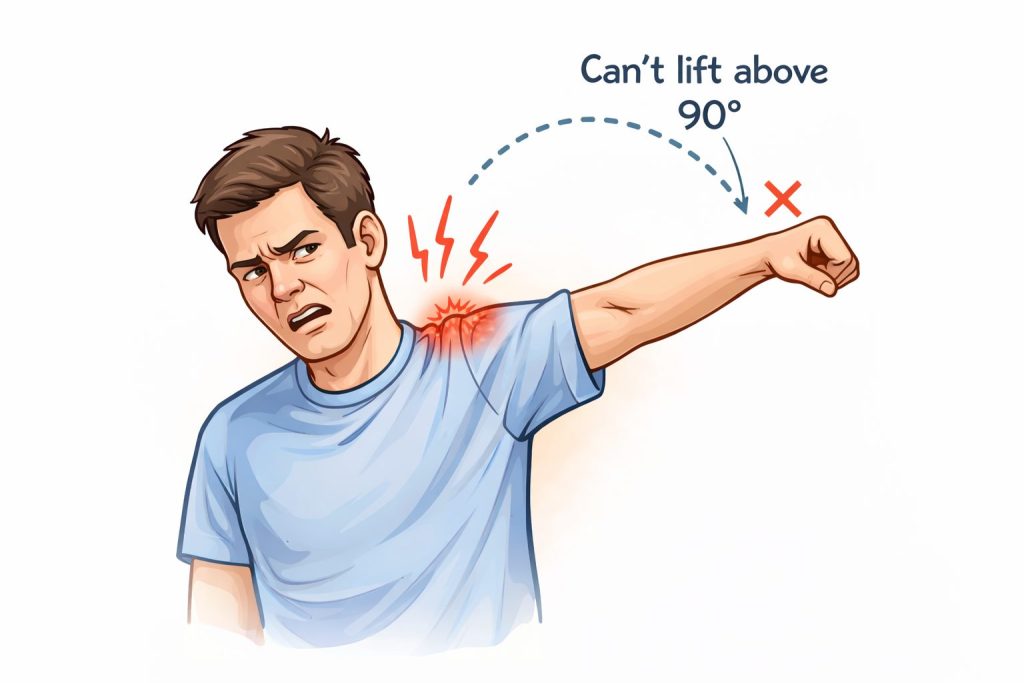
22. Why does my shoulder hurt while lifting my arm?
Shoulder pain while lifting the arm may result from rotator cuff injuries, impingement syndrome,
bursitis, arthritis, or frozen shoulder.
23. Why does shoulder pain become worse at night?
Night-time shoulder pain is commonly associated with rotator cuff injuries, inflammation, arthritis, or
frozen shoulder.
24. What is frozen shoulder, and how is it treated?
Frozen shoulder is stiffness and pain caused by tightening of the shoulder capsule. Treatment includes
medication, physiotherapy, stretching exercises, and occasionally surgery.
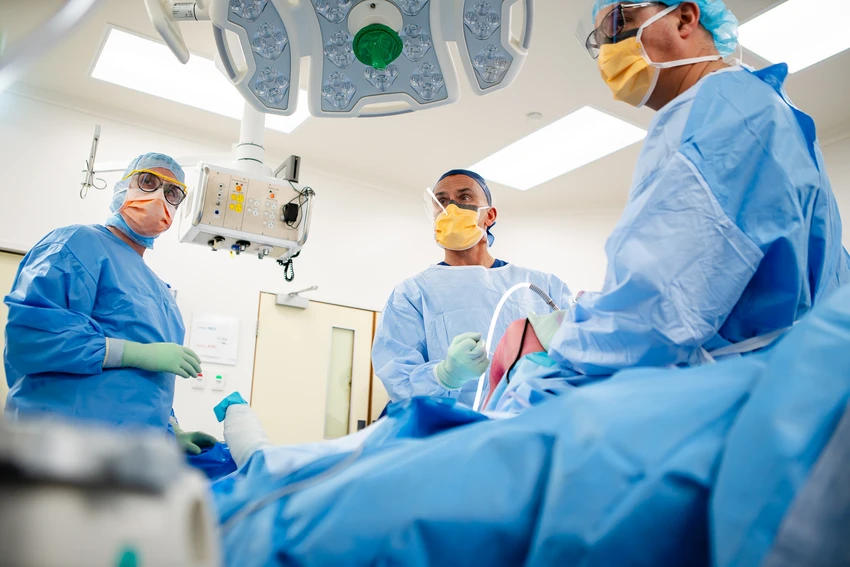
25. What is shoulder arthroscopy?
Shoulder arthroscopy is a minimally invasive surgical procedure that uses a small camera and specialized
instruments to diagnose and treat shoulder disorders through tiny incisions.
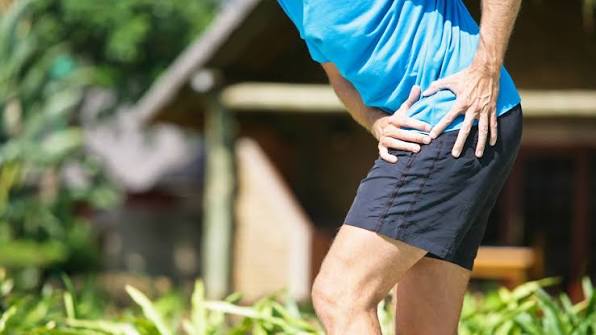
26. What are the common causes of hip pain?
Hip pain may result from arthritis, bursitis, tendon injuries, muscle strain, fractures, avascular
necrosis, or age-related degeneration.
27. When is hip replacement surgery recommended?
Hip replacement is recommended when severe arthritis or hip damage causes persistent pain, stiffness,
and limited mobility despite conservative treatment.
28. Can Vitamin D deficiency cause bone or joint pain?
Yes. Vitamin D deficiency may contribute to bone pain, muscle weakness, fatigue, and an increased risk
of fractures.
29. When Do I need a Bone Mineral Density (BMD) test?
A Bone Mineral Density (DEXA) scan is recommended for postmenopausal women, older adults, patients with
recurrent fractures, and individuals at risk of osteoporosis.
30. What is postmenopausal osteoporosis?
Postmenopausal osteoporosis is a condition where bones become weaker after menopause because of reduced
estrogen levels, increasing the risk of fractures.
31. How can I keep my bones healthy?
A balanced diet rich in calcium, adequate Vitamin D, regular exercise, maintaining a healthy weight, and
periodic bone health assessments help keep bones strong.
32. Do I need physiotherapy after orthopedic surgery?
Yes. Physiotherapy is an essential part of recovery after knee replacement, hip replacement, ACL
reconstruction, and shoulder arthroscopy.
33. Do you provide emergency fracture treatment?
No. Buvana Ortho Clinic does not provide emergency trauma services. Patients with fractures or serious
accidents should visit the nearest emergency hospital immediately.
34. How can I prevent knee, shoulder, and hip problems?
Regular exercise, muscle strengthening, maintaining a healthy weight, good posture, and early medical
attention for persistent pain can help prevent many orthopedic conditions.
35. Which areas do patients visit from?
Patients visit Buvana Ortho Clinic from Nungambakkam, Chetpet, Egmore, Kilpauk, Anna Nagar, Kodambakkam,
T. Nagar, Aminjikarai, and across Chennai.

 Buvana Ortho Clinic