
Knee pain while climbing stairs is a common problem that may occur due to arthritis, cartilage problems, muscle weakness, previous injuries, or conditions affecting the kneecap. Understanding the cause of your knee pain helps in choosing the right treatment. Get expert knee pain evaluation and orthopedic care at Buvana Ortho Clinic, Nungambakkam, Chennai.
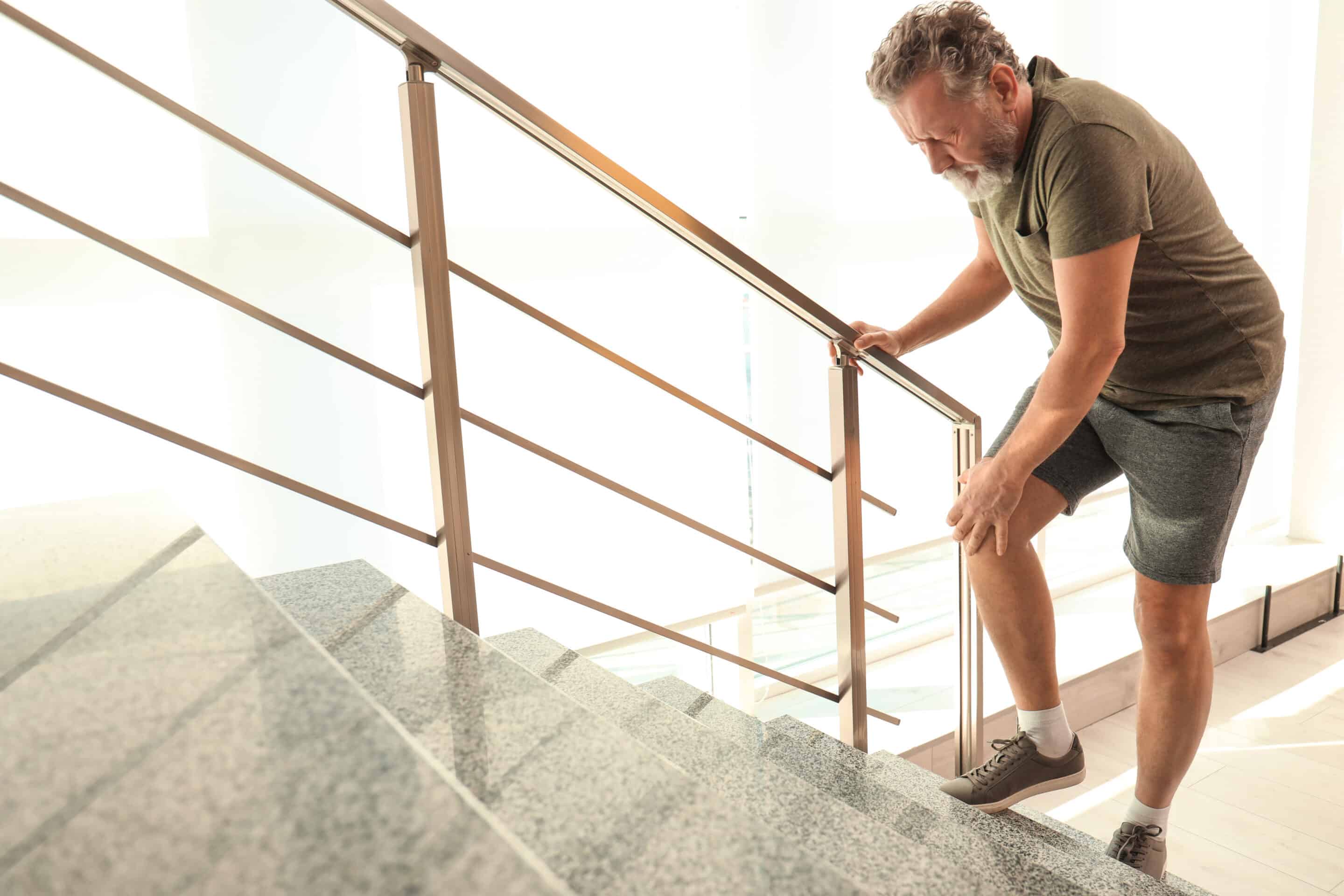
Knee pain while climbing stairs is a common complaint among adults of different age groups. Many people notice that walking on a flat surface feels comfortable, but climbing stairs, squatting, or getting up from a chair causes pain or discomfort. This happens because these activities place increased stress on the knee joint compared with normal walking.
Patients often search for answers such as "why does my knee hurt when I climb stairs", "knee pain treatment Chennai", and "knee arthritis specialist Chennai" because stair-related knee pain can interfere with daily life, especially when climbing stairs at home, work, or public places.
The reason behind knee pain can vary from simple muscle weakness to conditions involving cartilage, tendons, ligaments, or the joint surface. Identifying the exact cause is important because treatment depends on the underlying problem.
At Buvana Ortho Clinic, Nungambakkam, Chennai, patients with knee pain receive detailed orthopedic evaluation to identify the source of discomfort and receive a personalized treatment plan based on their condition, activity level, and lifestyle needs.
The knee joint supports body weight during standing, walking, running, and climbing activities. When climbing stairs, the muscles around the knee work harder to lift and stabilize the body.
During stair climbing, the pressure between the kneecap and thigh bone increases significantly. If the cartilage is damaged, muscles are weak, or the joint is inflamed, this increased pressure can trigger pain.
The knee depends on healthy cartilage, strong muscles, stable ligaments, and proper alignment for smooth movement. Problems affecting any of these structures may lead to discomfort during stairs.
Knee pain while climbing stairs can develop due to several orthopedic conditions. Some occur gradually because of ageing and wear, while others develop after injuries or increased physical activity.
Osteoarthritis is one of the most common causes of knee pain, especially among middle-aged and older adults. It occurs when the protective cartilage inside the knee gradually wears away.
When cartilage becomes thinner, the joint loses its smooth cushioning effect. Climbing stairs can become painful because more pressure is placed on the damaged joint surfaces.
Common symptoms of knee arthritis include:
Patellofemoral pain syndrome is a common reason for pain around the front of the knee, especially during activities that involve bending the knee repeatedly.
The condition occurs when the kneecap does not move smoothly within its groove, causing increased stress and irritation around the joint.
People with patellofemoral pain may experience:
The meniscus acts as a cushion between the bones of the knee joint. Injury or degeneration of the meniscus can cause pain, swelling, and difficulty with movements that involve bending the knee.
Meniscus problems may occur due to sports injuries, twisting movements, falls, or age-related changes.
Weak thigh muscles, especially the quadriceps, can reduce support around the knee joint. This may increase stress on the knee during activities such as climbing stairs.
Strengthening the muscles around the knee through appropriate exercises can often improve joint support and reduce discomfort.
Previous knee injuries involving ligaments, fractures, or cartilage can affect knee stability and may contribute to pain during weight-bearing activities.
Even an old injury may cause problems later if the knee mechanics are affected.
Knee pain while climbing stairs can be associated with arthritis, but it does not always mean you have severe joint damage. Several other conditions can cause similar symptoms.
An orthopedic evaluation helps determine whether the pain is due to arthritis, muscle imbalance, injury, or another knee condition.
Early diagnosis can help prevent worsening symptoms and allows treatment to begin before significant joint damage develops.
Proper diagnosis is the first step in treating knee pain. Since several conditions can cause pain while climbing stairs, an orthopedic specialist evaluates the complete history, symptoms, physical findings, and activity limitations before recommending treatment.
During a knee evaluation, your doctor may assess:
Depending on the symptoms, your orthopedic specialist may recommend imaging tests to understand the condition of the knee joint.
Imaging results are considered along with your symptoms and physical examination. A scan alone does not always determine the severity of a knee problem.
The treatment for knee pain varies depending on whether the problem is arthritis, muscle weakness, injury, cartilage damage, or another condition. The goal is to reduce pain, improve movement, and restore confidence during daily activities.
Physiotherapy is one of the most important treatments for many knee conditions. A structured exercise program helps strengthen the muscles supporting the knee and improves joint function.
Physiotherapy may include:
Simple lifestyle changes can reduce stress on the knee joint and improve symptoms.
Doctors may recommend medications to reduce pain and inflammation depending on the cause and severity of symptoms. Medication should always be taken according to medical advice.
For selected patients, injection-based treatments may provide symptom relief. The suitability of injections depends on the condition of the knee joint and individual patient factors.
Certain patients may benefit from knee supports or braces, especially when instability or specific alignment problems contribute to symptoms.
Weak muscles can increase stress on the knee joint. A guided exercise program can help improve strength and reduce discomfort during activities such as climbing stairs.
Common exercises recommended by physiotherapists may include:
Exercises should be performed correctly and modified according to the patient's condition. People with significant pain should consult an orthopedic professional before starting new exercise programs.
Although some causes of knee pain cannot always be prevented, maintaining healthy joint habits can reduce stress on the knees and support long-term mobility.
Most cases of knee pain while climbing stairs do not immediately require surgery. However, surgical treatment may be considered when there is significant structural damage, severe arthritis, or persistent symptoms that do not improve with appropriate non-surgical treatment.
Surgical options depend on the condition and may include:
A detailed orthopedic assessment helps determine whether surgery is necessary or whether other treatments can provide relief.
Knee arthritis is one of the most common reasons people experience pain while climbing stairs. It occurs when the protective cartilage inside the knee gradually wears down, leading to inflammation, stiffness, and reduced joint movement.
The severity of arthritis varies from person to person. Some patients experience occasional pain that improves with lifestyle changes and physiotherapy, while others may develop advanced arthritis requiring surgical treatment.
At Buvana Ortho Clinic, Nungambakkam, Chennai, knee arthritis treatment is planned based on the patient's symptoms, age, activity level, medical history, and severity of joint changes.
Treatment options may include:
Persistent knee pain should not be ignored because early diagnosis can help prevent progression of many knee conditions. An experienced orthopedic specialist can identify whether your symptoms are related to arthritis, injury, muscle weakness, or another cause.
Patients searching for a "knee pain specialist Chennai" or "orthopedic doctor for knee pain Chennai" should consider consultation when pain begins affecting normal activities such as climbing stairs, walking, sitting, or standing.
At Buvana Ortho Clinic, Nungambakkam, Chennai, patients receive comprehensive evaluation and personalized treatment plans for various knee conditions.
Many people notice that going down stairs causes more knee discomfort than climbing upward. This happens because the knee experiences increased compressive forces while controlling the body's downward movement.
Conditions affecting the kneecap, cartilage, or joint surface may become more noticeable during stair descent. Pain while going down stairs can be an important symptom that helps doctors identify the possible cause of knee problems.
If stair pain continues or worsens over time, an orthopedic evaluation can help determine the correct treatment.
Occasional mild discomfort after increased activity may improve with rest. However, persistent or worsening knee pain may indicate an underlying problem that requires evaluation.
Knee pain can have different causes, and every patient requires an individualized approach. At Buvana Ortho Clinic, Nungambakkam, Chennai, treatment begins with understanding the patient's symptoms, lifestyle, and functional goals.
The clinic provides orthopedic care for:
The focus is on selecting the right treatment at the right time, whether that involves conservative management, rehabilitation, minimally invasive procedures, or joint replacement when required.
For patients with severe arthritis, knee pain may become constant and interfere with basic activities such as walking, climbing stairs, and performing household tasks.
When conservative treatments no longer provide adequate relief, knee replacement surgery may be considered. The procedure aims to reduce pain, improve mobility, and help patients return to a more active lifestyle.
The decision for knee replacement is based on:
Whether treatment is non-surgical or surgical, rehabilitation is an important part of recovery. Proper exercises help improve strength, flexibility, balance, and confidence in daily movement.
A structured rehabilitation program helps patients gradually return to activities such as walking, climbing stairs, and regular exercise.
Knee pain while climbing stairs but not during normal walking may occur because stairs place higher pressure on the kneecap and knee joint. Conditions such as patellofemoral pain syndrome, early arthritis, muscle weakness, or cartilage problems can cause this type of pain.
Knee pain during stair climbing can be a symptom of arthritis, especially in older adults, but it does not always mean you have arthritis. Other conditions such as tendon problems, muscle weakness, or kneecap-related pain can also cause similar symptoms.
Reducing knee pain may involve strengthening exercises, physiotherapy, maintaining a healthy weight, modifying activities, using proper footwear, and treating the underlying cause of pain. An orthopedic evaluation helps identify the best approach.
Avoiding all movement is usually not recommended unless advised by a doctor. The right level of activity depends on the cause of your knee pain. Guided exercises and proper movement techniques can often improve knee function.
Yes. Weak quadriceps and other supporting muscles around the knee can increase stress on the joint during stair climbing. Strengthening these muscles can improve stability and reduce pain in many patients.
You should consult an orthopedic specialist if knee pain persists, worsens, causes swelling, limits movement, affects sleep, or prevents you from performing normal activities such as walking or climbing stairs.
Many patients improve without surgery through physiotherapy, exercise programs, medication, weight management, and other treatments. Surgery is considered only when there is significant damage or when non-surgical treatments do not provide adequate relief.
The best treatment depends on the cause of knee pain. A knee specialist can evaluate the condition and recommend appropriate options ranging from rehabilitation to advanced orthopedic procedures.
Knee pain while climbing stairs is a common problem that may result from arthritis, kneecap-related conditions, muscle weakness, previous injuries, or cartilage damage. Understanding the reason behind your pain is the first step toward effective treatment.
Ignoring persistent knee pain may allow an underlying condition to worsen. Early orthopedic evaluation can help identify the problem and provide suitable treatment to maintain mobility and improve quality of life.
Whether your knee pain is related to arthritis, sports injury, or movement problems, Buvana Ortho Clinic, Nungambakkam, Chennai provides expert orthopedic consultation and personalized treatment plans for patients seeking relief from knee pain.
If knee pain is affecting your ability to climb stairs, walk comfortably, or enjoy daily activities, consult an experienced orthopedic specialist for proper evaluation and guidance.
 Buvana Ortho Clinic